Call to Schedule Free Consultation at Over 45 Centers Worldwide!

Disease Awareness Page for R3 Stem Cell – Pelvic Pain

What Is Pelvic Pain?

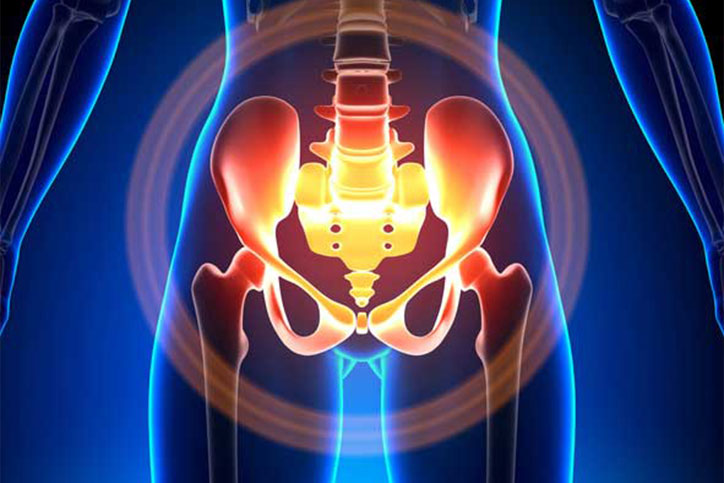
Pain felt in the general pelvic area is known as pelvic pain, and depending on the duration, it can be classified into acute and chronic pelvic pain. Acute pelvic pain is pain that hasn’t lasted up to six months, and the pain is considered chronic when it exceeds a six-month duration. Pelvic pain occurs in men and women and is caused by several conditions, both physiological (normal) and pathophysiological (abnormal). Additionally, the causes in men differ from those in women, although they also share similar causes. 

The only male-specific cause of pelvic pain is prostatitis. This is a condition characterised by the inflammation of the prostate gland, and it only happens in men because women don’t have prostrate. Gland. In women, there are several causes of pelvic pain, including dysmenorrhea, ovarian cysts, and endometriosis (more on these under causes of pelvic pain): factors that can cause pelvic pain in men and women pudendal neuralgia, and appendicitis.

Please fill out the form below to receive the guide

How Is Pelvic Pain Felt?

Causes of Pelvic Pain

Causes of Pelvic Pain in Men

Even though there are several causes of pelvic pain, prostatitis is the only male-specific one. Prostatitis is inflammation of the prostate gland and surrounding tissues. There are different types of prostatitis:

Causes of Pelvic Pain in Women

The causes of pelvic pain in women include gynaecological processes like 

Causes of Pelvic Pain in Both Sexes

Since pelvic pain is caused by tissues in the body, the sources of pelvic pain common to both sexes are tissues like the bladder, appendix, bowels, and others

How Common Is Pelvic Pain and Who Is at Risk?

Female

Most women will experience pelvic pain at some point in their lives. Puberty is an especially important phase when it comes to pelvic pain because it marks the onset of ovulation and menstruation. As mentioned earlier, different conditions cause different kinds of pelvic pain, and these have varying occurrences. Dysmenorrhea accounts for between 17% and 81% of all pelvic pains. 

Dyspareunia accounts for between 8% and 22%. Noncyclical pain is responsible for between 2% and 24%. In 2017, about 9 out of every hundred visits to the gynaecologist were due to chronic pelvic pain. Chronic pelvic pain is also responsible for 20% to 30% of all laparoscopies in adults.

Male

In men, about 90% of prostatitis conditions present with chronic pelvic pain. 

RISK FACTORS

Pelvic pain is more common in women, and they are at greater risk of developing the condition. Most women will develop pelvic pain at some point in their lives due to menstruation other physiological changes. Some factors that can increase the changes are

For men, the risk factors include

What Are the Symptoms of Pelvic Pain?

The kinds of pelvic pain felt depend on the structures causing the pain, and the sources of the pain. The pain could be

How Is Pelvic Pain Diagnosed?

The diagnosis of pelvic pain begins with a history and examination. The next step is usually a pregnancy test in women. Other tests include imaging scans and blood tests. Diagnosing pelvic pain in men usually involves a process of elimination, ruling out other diseases until the cause is found.

History

The kind of pain felt can point to the source, like burning during urination can point to Urinary tract infections and sexually transmitted diseases. Pain around or during menstruation in women points to PMS and dysmenorrhea.

Physical Assessment

This includes assessing the way the individual sits, stands and walks, as well as feeling several parts of the abdomen to try and elicit the pain. A vaginal and rectal exam may also be conducted.

Tests

Several tests can be conducted to confirm the source of the pain. Without proper identification, the pain cannot be properly treated. Some of the tests include

What Are the Treatment Options Available?

Successful treatment of pelvic pain is often contingent upon successful diagnosis. Treatment options can include

The treatments administered depend on the underlying cause. 

LEARN MORE ABOUT ONGOING CLINICAL STUDIES SPONSORED BY R3 STEM CELL HERE

Brand Ambassador Gallery

Register Now For Free Webinar: Avoid Surgery With Stem Cell Therapy

R3 Stem Cell Master Class

Learn everything you need to know about the ever expanding field of regenerative medicine in this 8 part series that includes over four hours of entertaining content!

R3 Stem Cell International

R3 Stem Cell International includes 45 clinics in 7 countries. These Centers of Excellence treat all types of conditions with safe, effective protocols by expert stem cell physicians.

Free Stem Cell Consultation

R3 Stem Cell offers a no cost consultation to see if you or a loved one is a candidate for regenerative cell therapies including cytokines, growth factors, exosomes, and stem …

Provider
Partnership

The R3 Partnership Program offers providers an all-in-one regenerative practice program including marketing, consultations and booked procedures!

Success Stories

*Outcomes will vary between individuals. No claims are being made with regenerative therapies. The FDA considers stem cell therapy experimental. See our THERAPY COMMITMENT HERE.

The USA Stem Cell Leader Offers Procedures In 7 Countries Including

Call to schedule your free consultation at over 70 centers world!

The links below provide national city resource information about stem cell therapy. To find a clinic near you click here

Disclaimer: The city links above provide general information on stem cell treatment. To find an R3 Stem Cell clinic near you click here

The USA stem cell leader offers procedures in

8 Countries including: