Call to Schedule Free Consultation at Over 80 Centers Worldwide!
Autoimmune
Cardiovascular
Endocrine
Liver
Musculoskeletal
Neurological
Other
Respiratory/Pulmonary
Reproductive
Renal/Kidney
Urologic
Autoimmune
Cardiovascular
Endocrine
Liver
Musculoskeletal
Neurological
Other
Respiratory/Pulmonary
Reproductive
Renal/Kidney
Urologic
Find Hope Beyond Traditional Liver Disease Treatment
For Your Free Consultation, Call Us Today at: (844) GET-STEM
Free Download: Stem Cell Therapy for Erectile Dysfunction (ED)
Disclaimer: The information provided by R3 Stem Cell is for educational purposes and is not a substitute for professional medical advice, diagnosis, or treatment. Individual results may vary and are not guaranteed. The FDA considers stem cell therapy experimental at this point.
Any claims made on this website refer to procedures performed OUTSIDE of the USA. R3 Stem Cell has clinics in Mexico, Philippines, South Africa, Turkey, India, Pakistan.
Please fill out the form below to receive the guide
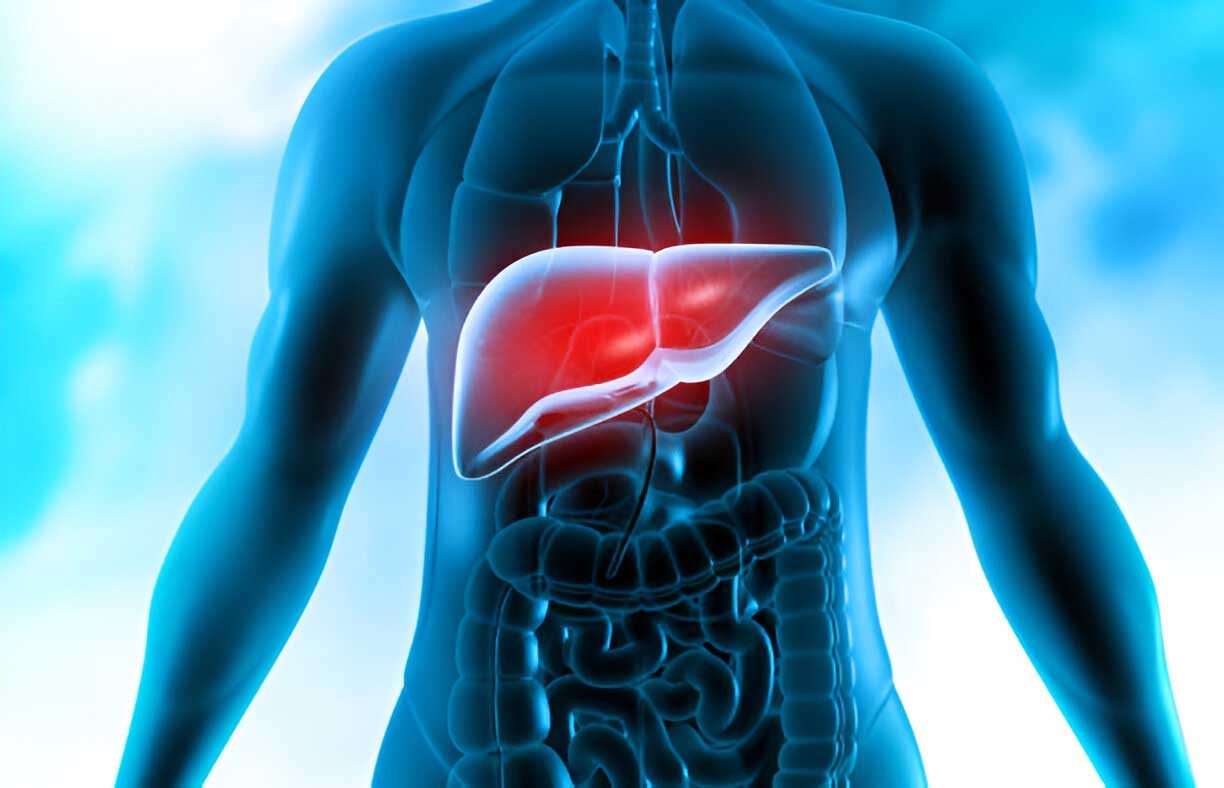
Every day,R3 Stem Cell receives inquiries worldwide from individuals asking,“Can stem cell therapy help with liver failure?” Spoiler alert: It can help a lot! In this guide, we’ll walk you through thefundamentals of stem cell therapy for the liver, thelatest research, andwhat to expect from aregenerative procedure.
Unlike havingtwo kidneys, humans are only blessed withone liver. This organ isn’t just theheaviest in the body—it’s also theonly one capable ofregenerating itself. Amazingly, ifup to 70% of the liver is removed, theremaining tissue canregrow.
Because of thisremarkable regenerative ability,stem cells holdtremendous potential tostimulate and support the liver’s repair. Much like alizard regrows its tail,stem cell therapy can help regeneratediseased or non-functioning parts of the liver, restoring crucialorgan function.
Call us at +1 (844) GET-STEM to schedule yourFREE consultation and explore howstem cell therapy can transform your liver health and quality of life.

Chronic liver diseases (CLD) area major health and economic concern worldwide.Over 800 million people suffer from chronic liver diseases globally, and2 million deaths are recorded every year from liver-related complications.
Cirrhosis represents theend-stage of chronic liver disease (CLD). It oftenremains asymptomatic for a long time, which delaysdiagnosis until the disease has progressed significantly. Because of this,chronic liver disease has become the14th leading cause of death among adults worldwide.
Several factors contribute tochronic liver damage and eventually lead tocirrhosis, including:
Less common liver conditions may also causeend-stage liver disease, such as:
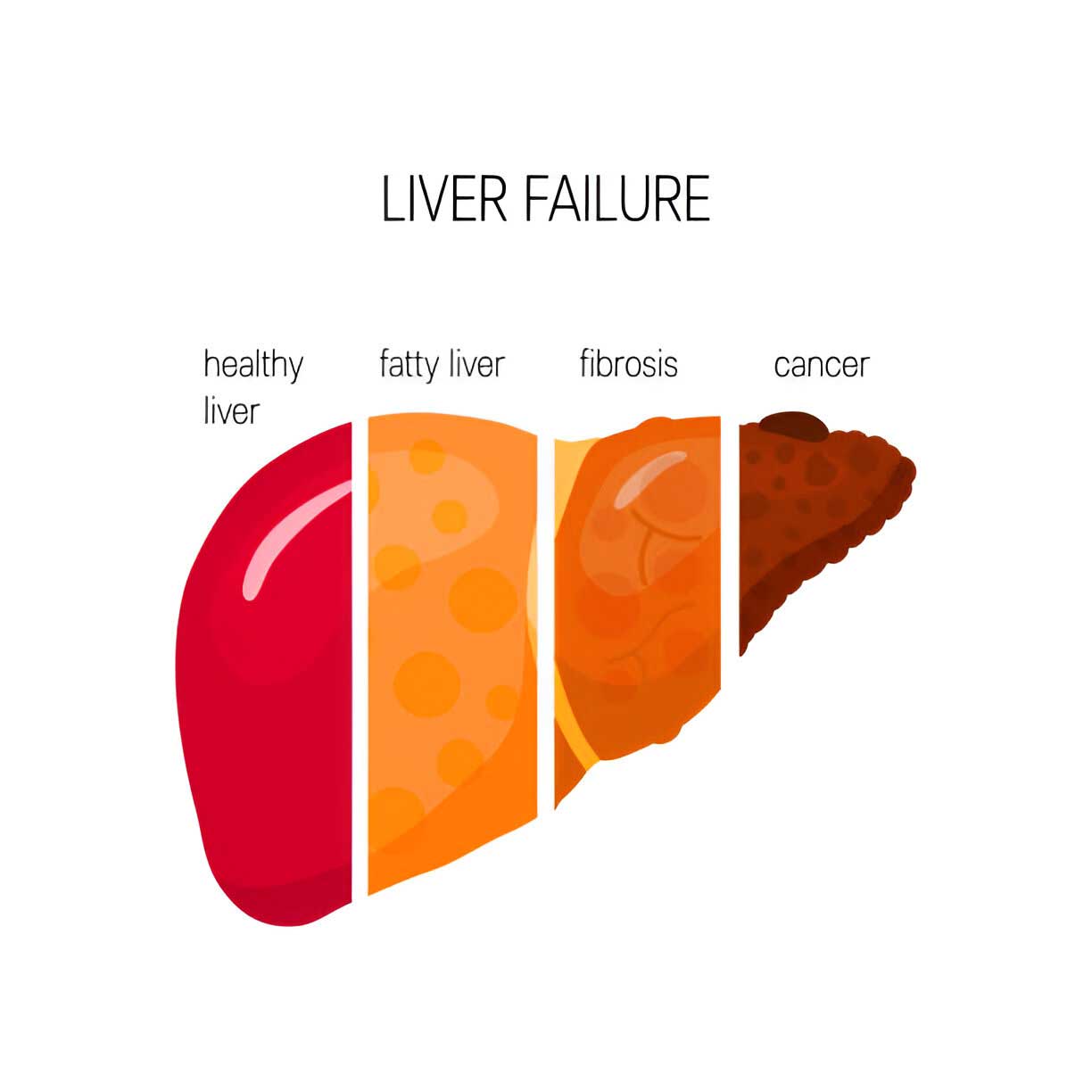
Asliver fibrosis progresses, the liver gradually loses its ability to function, leading tocirrhosis and, in many cases,liver cancer.
Your Liver Can’t Wait. Call +1 (844) GET-STEM for a Free Consultation Today.
Traditional treatments forend-stage liver disease focus mainly onmanaging symptoms rather than addressing the root problem.Liver transplantation is theonly definitive solution for many patients with cirrhosis, but it comes with several challenges:

Due toeconomic and social limitations, onlya small percentage of patients who need a transplant receive one.Patients over 70 years old are oftenexcluded from transplant eligibility, making it even more difficult for some to access life-saving treatments.
Theliver plays a vital role in maintaining health, making it crucial to keep it functioning properly. It performs severalcritical functions, such asstoring, producing, detoxifying, andregulating substances within the body. Below are thekey functions of the liver:
Theliver can fail for several reasons, some of which arepreventable, while others are linked togenetic disorders.Chronic alcohol abuse is one of theleading causes of liver failure worldwide. Additionally,misusing prescription medications orherbal compounds can lead toliver damage.

Severalrisk factors increase the likelihood of developing liver disease:
In the case ofhepatitis, the following behaviors elevate risk:
Regenerate your liver naturally with stem cell therapy. For your complimentary and confidential consultation, call +1 (844) GET-STEM.
Liver failuredoesn’t happen overnight. It usually followsa predictable pattern involving several stages:
Chronic Inflammation
Like other chronic diseases, liver conditions begin with persistent inflammation, damaging healthy cells over time.
Fibrosis
As inflammation continues, the liver develops scar tissue (fibrosis), making it harder for the organ to perform its essential functions.
Cirrhosis
When fibrosis becomes extensive, it leads to cirrhosis—a condition where large portions of the liver become non-functional.
End-Stage Liver Failure
As cirrhosis worsens, the liver reaches end-stage failure, requiring advanced medical intervention, such as stem cell therapy or transplantation.
Long-term liver injurygradually leads to liver dysfunction, causing anaccumulation of extracellular matrix (ECM) and resulting inliver fibrosis. The final stage of fibrosis iscirrhosis, where liver function deteriorates.
Patients withdecompensated cirrhosis experience severe complications, such asascites (fluid accumulation in the abdomen) andgastroesophageal variceal bleeding (bleeding from swollen veins in the esophagus).

As cirrhosis progresses,late-stage complications can develop, including:
Without aliver transplant, many patients with these advanced symptomsdo not survive beyond two years, as traditional therapies only manage symptoms without addressing the root cause.
Proven Stem Cell Treatment Results for Liver Failure – Call +1 (844) GET-STEM.
Conventional therapies for liver failure arelimited and primarily focus onsymptom management. Foralcohol-related liver disease, the first step is tostop alcohol consumption—a process that must be supervised by ahealthcare provider. Patients withobesity are advised tolose weight through abalanced diet and exercise to reduce liver strain.
While certain medications, such asblood pressure drugs ordiuretics, may be prescribed tomanage complications, there areno medications currently available that canreverse liver damage orrestore liver function.
For patients withkidney failure,dialysis can substitute kidney function, butno such machine exists to replicate the functions of the liver. In cases ofportal hypertension, aTIPS procedure (Transjugular Intrahepatic Portosystemic Shunt) can be performed. This createsnew connections between liver blood vessels, relieving pressure and reducing symptoms.
AtR3 Stem Cell, we have seen several patients successfullyavoid liver transplants by combiningTIPS procedures with ourregenerative therapies, restoring enough liver function to be removed fromtransplant lists.

Advanced Stem Cell Therapy for Those with Liver Failure Risk – Call +1 (844) GET-STEM.

Patients withend-stage liver failure are often placed on atransplant list, but this process comes with many challenges. Aliver transplant in the USA can cost over$800,000 USD, withaverage wait times of 240 days.
Globally,eligibility for transplantation is limited byage and health conditions. It’s rare for patients over the age of70 to be considered for a transplant, and many others faceexclusions due to medical orsocial circumstances.
If anew technology likemesenchymal stem cell (MSC) therapy orexosome therapy couldreverse liver failure orslow its progression, it would rightly become thefirst-line treatment. Since theliver has a unique ability to regenerate, regenerative therapies offer a promising option torestore function safely.
Whileliver transplantation remains viable for many patients worldwide, it comes withseveral limitations, including:
These limitations highlight theurgent need for alternative therapies. Recent research demonstrates thatmesenchymal stem cells (MSCs) are aneffective treatment option forrepairing liver injury and promotingtissue regeneration.

Struggling with liver function? Start your liver recovery through stem cells today and call +1 (844) GET-STEM.
Stem cells and exosomes exert their therapeutic effects through several key mechanisms. Notably, they donot alter a patient’s DNA or become part of the body’s existing cells. Instead, they act through the following processes:
Angiogenesis
Promotes the formation of new blood vessels, improving circulation.
Reducing inflammation
Chronic liver diseases are characterized by significant inflammation, which these biologics help mitigate.
Immune system modulation
Unlike steroids, which suppress the immune system indiscriminately, stem cells and exosomes regulate immune responses selectively. They suppress harmful processes while boosting beneficial ones, including the production of growth factors and cytokines.
Cellular signaling
These therapies enable cell-to-cell communication, encouraging the body’s cells to produce proteins and regenerate damaged tissues
Preventing apoptosis
Apoptosis is the process of programmed cell death. Stem cells help healthy liver cells (hepatocytes) survive longer, delaying premature cell death.
Anti-fibrosis
Liver failure often results in extensive scarring (fibrosis). Stem cells and exosomes reduce scar tissue formation, helping to maintain liver functionality.
MSCs also release a wide variety ofmolecules into theextracellular environment. These include:
These molecules playcritical roles inrepairing damaged tissue and promoting regeneration. In addition to offeringMSCs,R3 Stem Cell includesstem cell-derived exosomes as part of the treatment.Exosomes act as specialized vesicles thatfacilitate cell-to-cell communication, supportingliver tissue repair and regeneration.
Numerousclinical trials worldwide have demonstratedoutstanding outcomes forstem cell therapy in treatingliver failure.
In a study involving45 chronic hepatitis B patients withdecompensated liver cirrhosis (LC),Umbilical Cord Mesenchymal Stem Cell (UC-MSC) transfusions resulted in asignificant reduction inascites volume compared to the control group. The therapy also improvedliver function, evidenced by:


Another trial, conducted inChina in2012, studied43 acute-on-chronic liver failure (ACLF) patients withHBV (Hepatitis B Virus) infection. Patients treated withUC-MSC transfusions showed the following improvements:
Between2010 and 2013,Bing-Liang et al conducted anopen-label, non-blinded randomized controlled study on110 patients withHBV-related ACLF, published in theJournal of Translational Medicine. The experimental group of56 patients receivedone million stem cells per kilogram ofallogeneic MSCs weekly forfour weeks, with follow-ups over24 weeks. This group showed:
Thelargest long-term study of its kind, led byZheng et al, followed219 patients withHBV-related decompensated liver cirrhosis in aprospective, open-labeled randomized controlled study. Participants were split into:
Patients in the treatment group receivedthree UC-MSC infusions atfour-week intervals, alongsideconventional therapies administered to both groups. Afterseven years of follow-up, the UC-MSC-treated group showedsustained improvements inliver function, demonstrating the long-term effectiveness ofstem cell therapy.
For more info on our research-backed stem cell liver treatment, call R3 Stem Cell at +1 (844) GET-STEM.
R3 Stem Cell’sCenters of Excellence globally incorporateumbilical cord stem cell-derived exosomes withumbilical cord stem cells to enhance therapeutic outcomes.Exosomes arelipid-bound vesicles (acellular) that containgrowth factors, cytokines, mRNA, and other proteins.
These exosomes play a critical role incell-to-cell communication and are particularly effective inreducing inflammation once they are absorbed by recipient cells. They function asshuttles, transportingnucleic acids and proteins between cells, thus facilitating communication amongboth local and distant cells. The proteins released by exosomes act as key regulators ofintracellular processes.
Exosomes are likely responsible for manytherapeutic effects associated with stem cell therapy. Being100 times smaller than stem cells, they can easily pass through thelungs without issue, traveling efficiently to theliver via the bloodstream.

Reduce liver inflammation naturally through stem cell therapy. Receive your free liver consultation with our stem cell specialists by calling +1 (844) GET-STEM.
For over a decade,R3 Stem Cell has successfully treatedliver failure patients withIV stem cell and exosome therapy. These biologics naturally targetinflammation, which is a significant component ofliver failure, concentrating their therapeutic effect primarily in theliver. They also migrate to other areas of the body experiencing disease.
Some people ask us,“I heard the stem cells get caught in the lungs and die, is that true?” The answer is mesenchymal stem cells do often temporarily get caught up in the lungs, but they don’t all stay there. After12-24 hours, the vast majority are released to go to areas with inflammation, such as a failing liver.
So, for example, if a person has liver failure secondary todiabetes, the cells and exosomes will also go to thepancreasto assist with function there too. There are Centers that promote injections directly into theliver, or hepatic artery/vein. This is not necessary and entails additional risk!
R3’s providers will calculate the amount of stem cells based on patient weight and liver failure severity. It will range from1 to 3 million stem cells/kg. Depending on the total amount, treatment may need to be broken up into two sessions, three at the most for optimal safety.
R3 Stem Cell’s liver disease protocols are based on the latest research along with Best Practice Protocols developed over the past decade to help patients achieve the best outcomes possible. Safety is paramount with the biologics products being rigorously tested prior to use, and expert providers managing each treatment as if it were a family member!
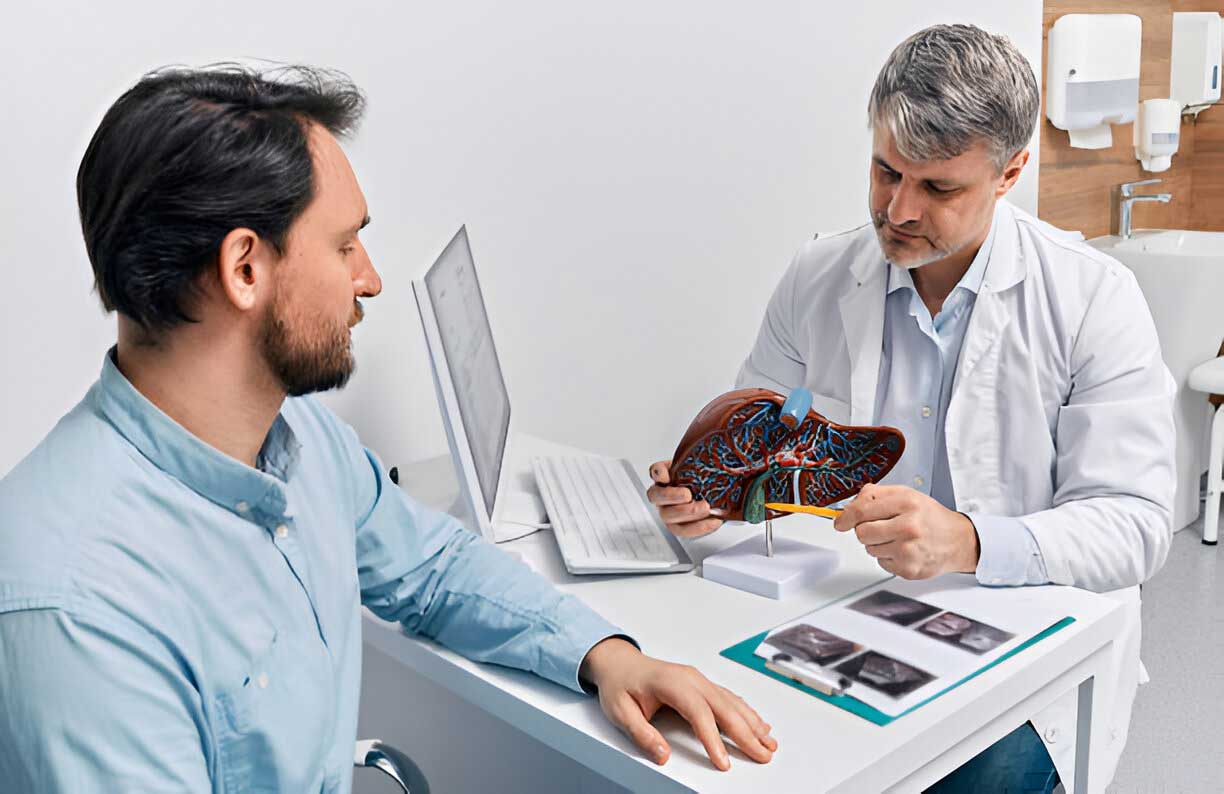
R3 Stem Cell’sresults for liver failure patients have beenexceptional, with apatient satisfaction rate of 85% year-over-year. Patients commonly reportincreased energy, improvedcognitive function, reducedascites, and enhancedliver function.
In line with clinical research, most patients experience improvements inliver function tests, including higheralbumin levels, increasedcholinesterase and prothrombin activity, and higherplatelet counts. Additionally,serum total bilirubin andalanine aminotransferase levels decrease significantly followingUC-MSC transfusions.
Although it may take several months to see all the improvements, many patients begin tofeel better within a few weeks. It’s important to note thatstem cell therapy is not acure for chronic liver disease and requiresrepeat treatments every 6 to 12 months to maintain benefits.

Becausestem cell therapy for liver failure is not a permanent cure,affordability is essential.Repeat therapies help maintain progress or achieve further improvements. Many patients return toR3 Stem Cell for additional treatments every6 to 18 months
In comparison, stem cell clinics inColombia, China, and Panama charge over$20,000 USD per treatment. This makes it challenging for patients to afford yearly sessions.R3 Stem Cell offers the same high-quality care atless than half that cost for100 million premium stem cells.

Over the past decade,R3 Stem Cell Centers have performed more than23,000 regenerative procedures acrosssix countries, with several hundred treatments forliver failure. Across all conditions,patient satisfaction stands at85%.
R3 focuses onsafety, effectiveness, and affordability, ensuring the best outcomes for patients. Internationally, R3 offers theIntellicell system, which cultures the mostactive mesenchymal stem cells to create the“smartest” stem cells in the world.
R3 Stem Cell offers FREE consultations for individuals to discuss whether regenerative therapy is indicated for their liver disease. Simply call +1 (844) GET-STEM to schedule yours!
References
Disclaimer:R3 Stem Cell is offering stem cell therapy for COPD and other lung diseases outside of the USA. This guide’s education does not constitute medical advice. The USA FDA is considering experimental stem cell therapy.
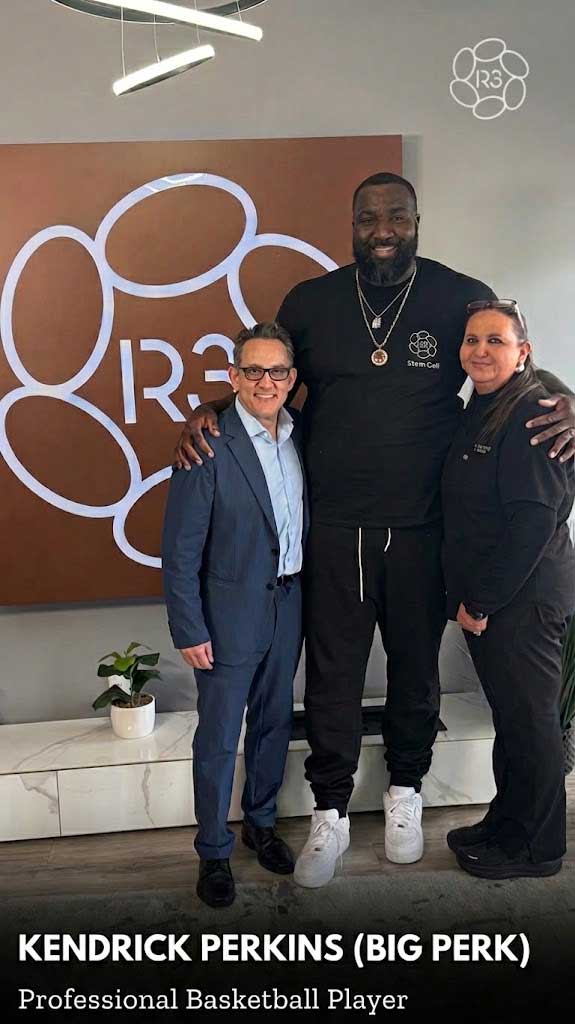
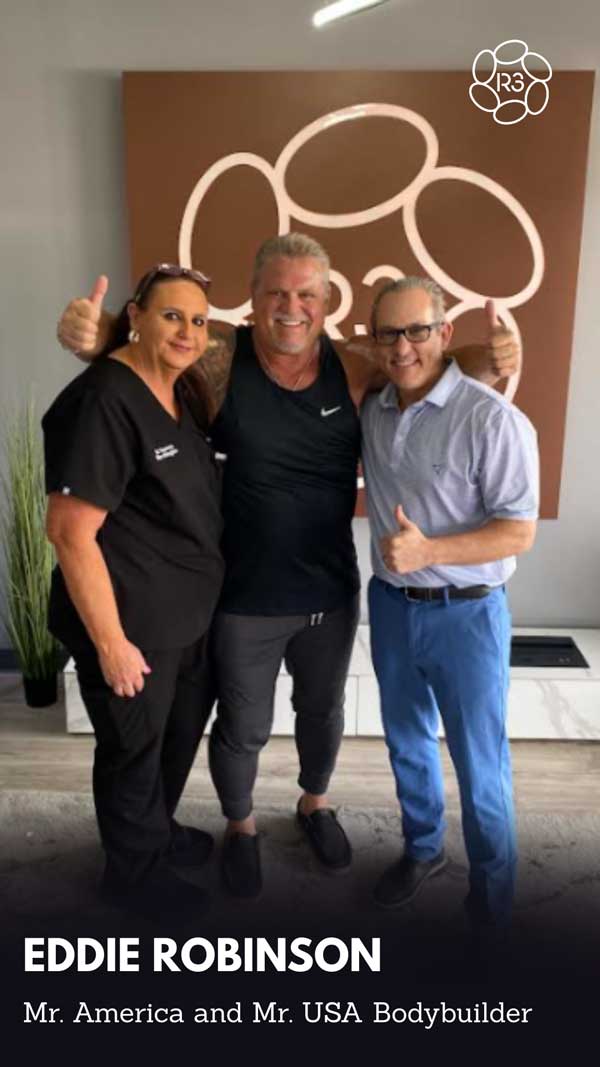
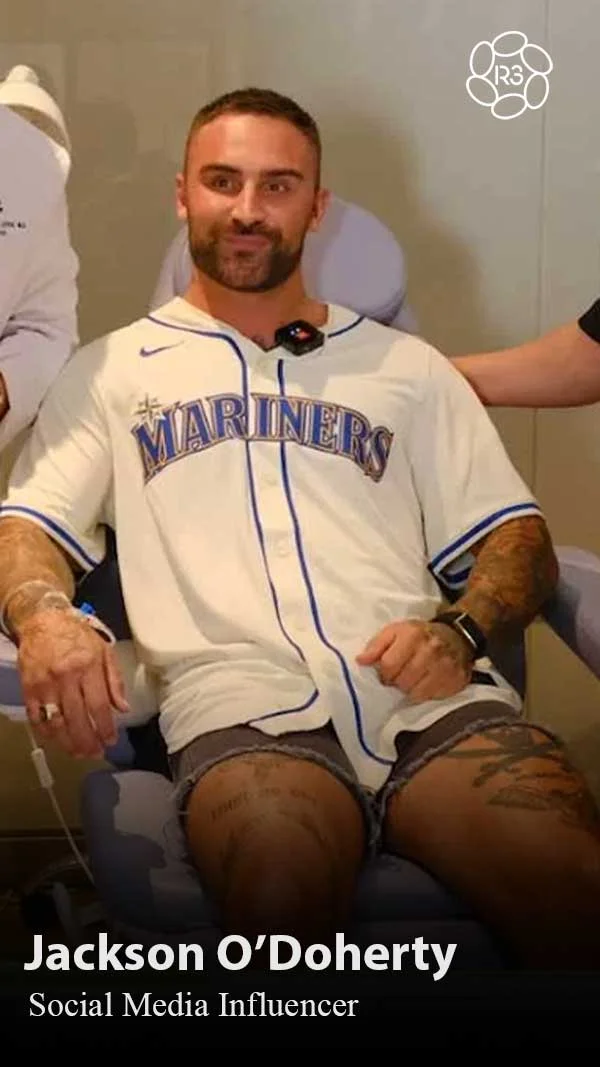
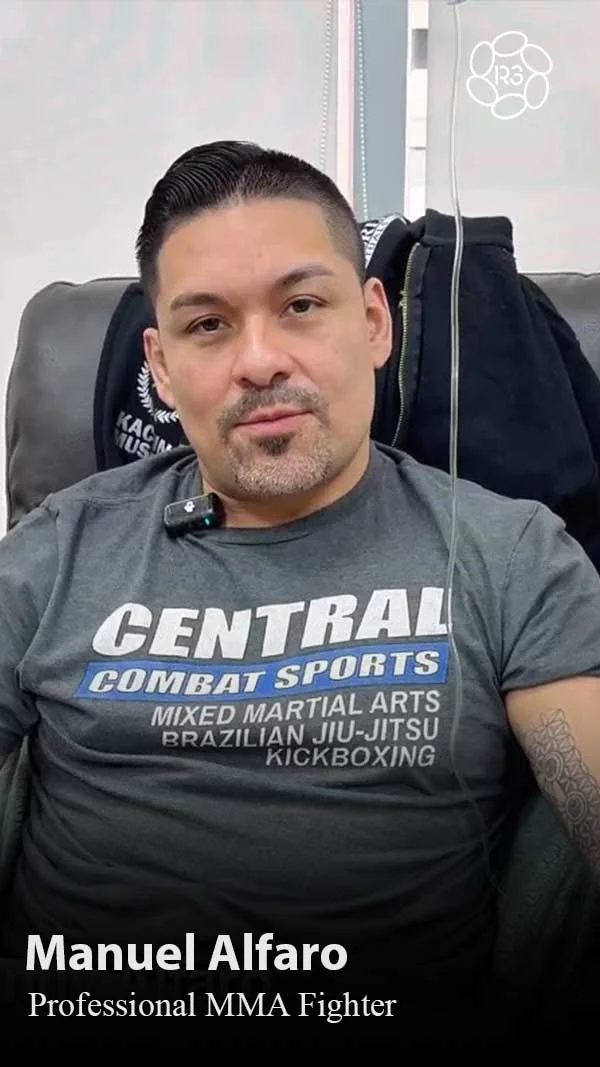
Brand Ambassador Gallery

Free Webinar with R3 Stem Cell
All You Need to Know About Stem Cell Therapy Presented by CEO David Greene, MD, PhD, MBA!

R3 Stem Cell Master Class
Learn everything you need to know about the ever expanding field of regenerative medicine in this 8 part series that includes over four hours of entertaining content!

R3 Stem Cell International
R3 Stem Cell International includes 80 clinics in 8 countries. These Centers of Excellence treat all types of conditions with safe, effective protocols by expert stem cell physicians.

Free Stem Cell Consultation
R3 Stem Cell offers a no cost consultation to see if you or a loved one is a candidate for regenerative cell therapies including cytokines, growth factors, exosomes, and stem cells.

Provider
Partnership
The R3 Partnership Program offers providers an all-in-one regenerative practice program including marketing, consultations and booked procedures!
Success Stories
*Outcomes will vary between individuals. No claims are being made with regenerative therapies. The FDA considers stem cell therapy experimental. See our THERAPY COMMITMENT HERE.
The USA Stem Cell Leader Offers Procedures In 8 Countries Including
United States
Mexico
Philippines
South Africa
Pakistan
India
Turkey
UAE
Call to schedule your free consultation at over 80 centers worldwide!

About Us
R3 Stem Cell is a global leader in regenerative medicine, offering advanced stem cell and exosome therapies through Centers of Excellence in over 80+ locations across 8 countries. Our mission is to provide first-rate, customized… regenerative
Quick Links
Resources
Contact Detail
Subscribe Newsletter
CALIFORNIA
FLORIDA
GEORGIA
HAWAII
IDAHO
ILLINOIS
INDIANA
IOWA
KANSAS
KENTUCKY
LOUISIANA
MARYLAND
MASSACHUSETTS
MICHIGAN
MINNESOTA
MISSISSIPPI
MISSOURI
NEBRASKA
NEW JERSEY
NEW YORK
NEW MEXICO
NEVADA
NORTH CAROLINA
OHIO
OKLAHOMA
OREGON
PENNSYLVANIA
RHODE ISLAND
SOUTH CAROLINA
SOUTH DAKOTA
TENNESSEE
Disclaimer
Stem cell therapy is considered experimental and is regulated by the U.S. Food and Drug Administration (FDA), but it is not FDA-approved. R3 Stem Cell does not offer stem cell therapy as a cure for any medical condition. No statements made on this site have been evaluated or approved by the FDA. This site does not provide medical advice. All content is for informational purposes only and is not a substitute for professional medical consultation, diagnosis, or treatment. Reliance on any information provided by R3 Stem Cell, its employees, others appearing on this website at the invitation of R3 Stem Cell, or other visitors to the website is solely at your own risk. R3 Stem Cell does not recommend or endorse any specific tests, products, procedures, opinions, or other information that may be mentioned on this website. R3 Stem Cell is not responsible for the outcome of your procedure. The FDA considers stem cell therapy experimental at this point.


Copyright © 2017-2026 R3 Stem Cell. All Rights Reserved.