
Call to Schedule Free Consultation at Over 80 Centers Worldwide!


BLOG

Blogs

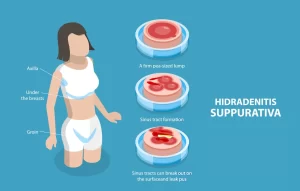
Hidradenitis Suppurativa progression stages and affected body areas

What Is the Main Cause of Ischemic Heart Disease?

The main cause of ischemic heart disease is atherosclerosis, the buildup of fatty plaque inside the coronary arteries. This plaque narrows the vessels or ruptures, forming a clot that reduces oxygen-rich blood flow to the heart muscle and can cause angina, heart attack, or heart...

Read More
Group of smiling children hugging during early autism intervention

What Is the Best Age for Stem Cell Therapy for Autism?

Autism Spectrum Disorder (ASD) has seen a staggering rise in diagnostic rates globally. In China, for instance, ASD incidence climbed from 0.7% in 2020 to 3.2% in 2025—a 4.5-fold increase in diagnostic prevalence that reflects a growing challenge faced by families and clinicians worldwide. While...

Read More
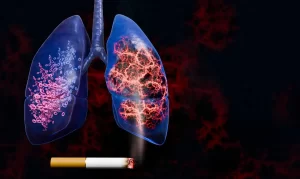
Mesenchymal stem cell therapy for cigarette smoke lung damage

Stem Cell Therapy and Cancer Risk: A Review of the Current Evidence

As regenerative medicine gains attention worldwide, one question comes up more than any other among prospective patients: can stem cell therapy increase the risk of cancer? Clinics now market mesenchymal stem cells (MSCs) for conditions ranging from autoimmune disease and joint degeneration to recovery after...

Read More
Medical clinician preparing platelet-rich plasma for soft tissue repair

PRP vs Stem Cells vs Exosomes: Which Regenerative Biologic Is Best for Athletes?

Soft tissue injuries—including rotator cuff tears, hamstring strains, ligament sprains, and chronic elbow tendinitis—are among the most common injuries athletes face. For decades, standard medical protocols focused heavily on immediate symptom management using non-steroidal anti-inflammatory drugs (NSAIDs) and corticosteroid injections. While these options can temporarily...

Read More
Hands holding red heart model for stem cell therapy

Can MUSE Stem Cells Help Repair Heart Disease and Myocardial Infarction?

Ischemic heart disease and acute myocardial infarction (heart attack) remain leading causes of morbidity and mortality worldwide. When a blockage restricts blood supply to the myocardium, oxygen deprivation causes cardiomyocytes (heart muscle cells) to die, leaving behind non-contractile scar tissue. Because the human heart has...

Read More
Young patient considering stem cell therapy for neurodegenerative diseases

Can MUSE Stem Cell Therapy Help ALS Patients? 2023 Study Insights

Amyotrophic lateral sclerosis (ALS) is a progressive disease that affects the nerve cells controlling voluntary muscle movement. As motor neurons die, patients gradually lose the ability to walk, speak, swallow, and eventually breathe. Because ALS currently has no cure and few effective drug treatments, many...

Read More

Disclaimer

Stem cell therapy is considered experimental and is regulated by the U.S. Food and Drug Administration (FDA), but it is not FDA-approved. R3 Stem Cell does not offer stem cell therapy as a cure for any medical condition. No statements made on this site have been evaluated or approved by the FDA. This site does not provide medical advice. All content is for informational purposes only and is not a substitute for professional medical consultation, diagnosis, or treatment. Reliance on any information provided by R3 Stem Cell, its employees, others appearing on this website at the invitation of R3 Stem Cell, or other visitors to the website is solely at your own risk. R3 Stem Cell does not recommend or endorse any specific tests, products, procedures, opinions, or other information that may be mentioned on this website. R3 Stem Cell is not responsible for the outcome of your procedure. The FDA considers stem cell therapy experimental at this point.

Copyright © 2017-2026 R3 Stem Cell. All Rights Reserved.