Call to Schedule Free Consultation at Over 80 Centers Worldwide!
Autoimmune
Cardiovascular
Endocrine
Liver
Musculoskeletal
Neurological
Other
Respiratory/Pulmonary
Reproductive
Renal/Kidney
Urologic
Autoimmune
Cardiovascular
Endocrine
Liver
Musculoskeletal
Neurological
Other
Respiratory/Pulmonary
Reproductive
Renal/Kidney
Urologic
Written by Dr. David Greene, MD, PhD, MBA on November 3, 2026
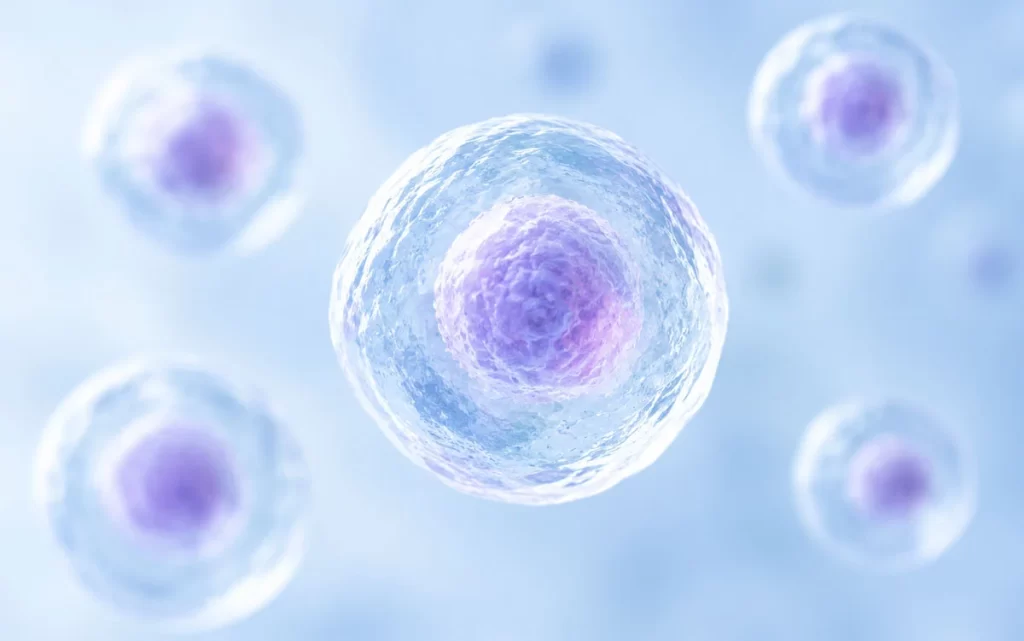
MUSE cell therapy is available today in two very different ways: in the United States, through physicians who use regulated tissue products such as NativeMUSE™ under FDA’s361 HCT/P rules, and internationally, at clinics operating under their own country’s regulations. Which route makes sense depends on what you want treated, and that distinction matters more than most online articles admit.
Interest in MUSE cells has grown fast. Podcasts, forums and clinic ads now describe them as the “next generation” beyond mesenchymal stem cells and exosomes. Some of that excitement is earned by real research. Some of it runs well ahead of the evidence.
FYI – R3 Stem Cell is the ONLY clinics in the USA offering MUSE Stem Cell Therapies that use an FDA Compliant MUSE stem cell product. The MUSE procedures are therefore available in all 50 states! This guide explains what MUSE cells are, what the studies actually show, how U.S. regulation works, and how to choose a provider you can trust.

MUSE stands for Multilineage-differentiating Stress-Enduring cells. They were discovered by Dr. Mari Dezawa’s team at Tohoku University in Japan and are identified by a surface marker called SSEA-3.
Three features set them apart in the research literature:
Stress tolerance. They survive harsh conditions that kill many other cells, which is how they were first found.
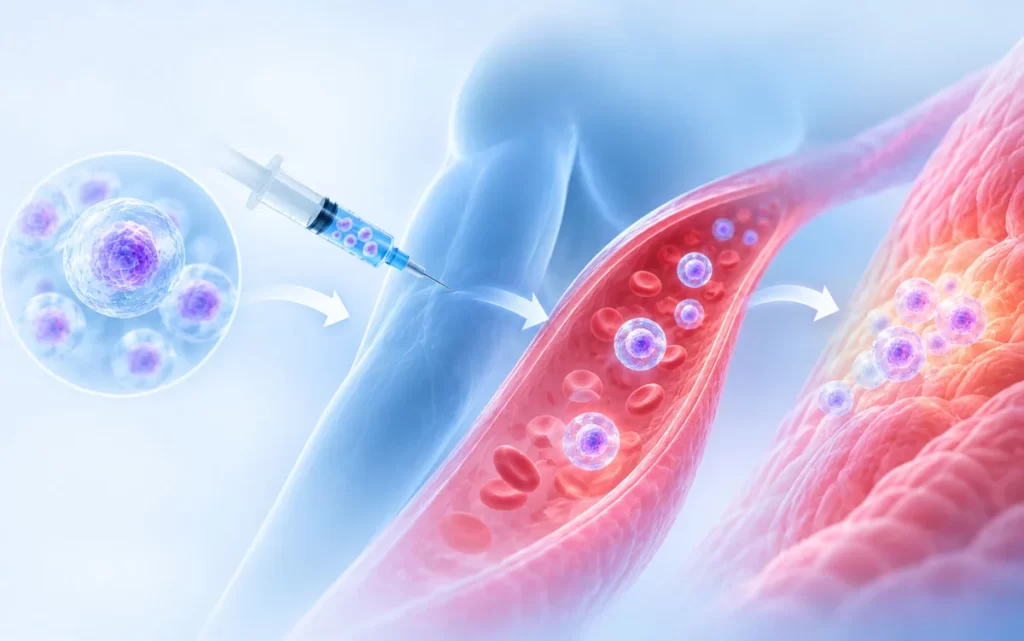
Homing. In animal studies, MUSE cells given intravenously tend to travel to damaged tissue.
Broad differentiation potential. Lab and animal work shows they can become cell types from all three germ layers, without forming tumors.
MUSE cells are not exotic or engineered. They occur naturally in bone marrow, connective tissue and umbilical cord tissue. In cultured mesenchymal stem cells and fibroblasts, researchers report they make upseveral percent of the population.

Most human MUSE data comes from one product, CL2020, an allogeneic MUSE cell product developed in Japan by Life Science Institute and made from bone marrow MSCs. The results so far point to a good safety profile and encouraging early signals.
| Condition | Study | What it found |
|---|---|---|
| Subacute ischemic stroke | Randomized, placebo-controlled, 35 patients (2023) | 40% of treated patients reached good functional recovery at 12 weeks vs 10% on placebo |
| Cervical spinal cord injury | Single-arm, 10 patients (2024) | No treatment-related serious events; motor and quality-of-life scores improved, but no control group |
| ALS | Open-label Phase 2, 5 patients (2023) | Well tolerated; function trended better but not statistically significant |
| Neonatal brain injury (HIE) | Dose-escalation, 9 infants (2024) | Safe and tolerable; all infants survived |
| Epidermolysis bullosa | Pilot, single-arm (2021) | Well tolerated in adults with severe skin ulcers |

No. The FDA has not approved any MUSE cell therapy to treat any disease. Any clinic that says otherwise is misleading you.
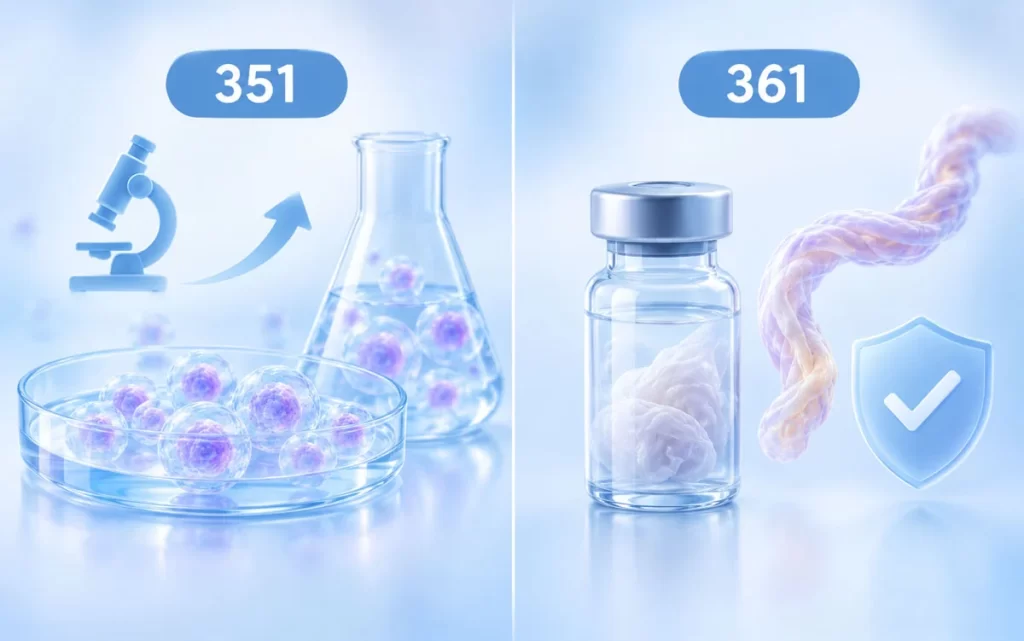
That is different from saying no MUSE-containing product can be used legally in the U.S. The FDA regulates human tissue products along two tracks:
351 products (biologics). Cells that are cultured, expanded, isolated, or used for a different function than they serve in the body. These require clinical trials and a Biologics License Application (BLA) before they can be marketed. CL2020 would fall here. There are some clinics offering treatments with cultured MUSE stem cells. This NOT FDA compliant, and will be way more expensive than what R3 Stem Cell offers.
361 HCT/Ps. Tissues that are only minimally manipulated, used for the same basic function they perform in the donor ("homologous use"), and not combined with other drugs. These do not require premarket approval, but they must follow FDA rules on donor screening, testing, manufacturing practices and registration. NativeMUSE is FDA Compliant as an FDA 361 product.
Where NativeMUSE fits. NativeMUSE™, distributed by Dux Bio, is anon-cultured umbilical cord derived product. Because the tissue is not cultured or expanded, NativeMUSE is distributed under the 361 HCT/P framework. It’s available to use for patient care in all 50 states.
In the United States. R3 offers MUSE stem cell procedures with a 361 HCT/P product from a registered tissue bank, known as NativeMUSE™.R3 Stem Cell’s USA Centers of Excellence includes NativeMUSE at many locations.
Internationally. R3 offers international treatment programs with MUSE Stem Cells at clinics outside the U.S. This includes Mexico, Philippines, South Africa, Turkey, Pakistan and India. If you travel for treatment, R3’s Centers are part of an ethics-board-approved registry that tracks outcomes.
Ask every clinic these questions before you commit:
Red flags include pressure to decide quickly, testimonials in place of data, and evasive answers regarding the product to be used.
MUSE cells are one of the most interesting discoveries in regenerative medicine, with early human studies showing good safety and promising signals. In the U.S., you can access MUSE-stem cell products like NativeMUSE™ through R3 Stem Cell’s nationwide network.
If you have questions about whether MUSE cells could fit your situation, contact R3 Stem Cell for a consultation at (844) GET-STEM.
This article is for educational purposes only and is not medical advice. NativeMUSE™ is not approved by the FDA to diagnose, treat, cure or prevent any disease. Talk with a qualified physician before making treatment decisions.

Dr. David Greene
MD, PhD, MBA
Dr. David Greene, MD, PhD, MBA, is a pioneering leader in regenerative medicine and healthcare marketing. As a residency and fellowship-trained orthopedic surgeon, Dr. Greene transitioned from clinical practice to become the founder and CEO of R3 Stem Cell and US Lead Network, where he has revolutionized patient care and medical practice growth through innovative therapies and digital marketing strategies. He has authored two influential books on healthcare internet marketing, ranks among the top expert authors globally, and has been featured on the cover of Corporate Vision magazine for his impact on global regenerative therapies. Beyond his professional achievements, Dr. Greene is passionate about education, compassion, and continuous innovation.