Call to Schedule Free Consultation at Over 45 Centers Worldwide!

Disease Awareness Page for R3 Stem Cell – Lichen Sclerosus

What Is Lichen Sclerosus?

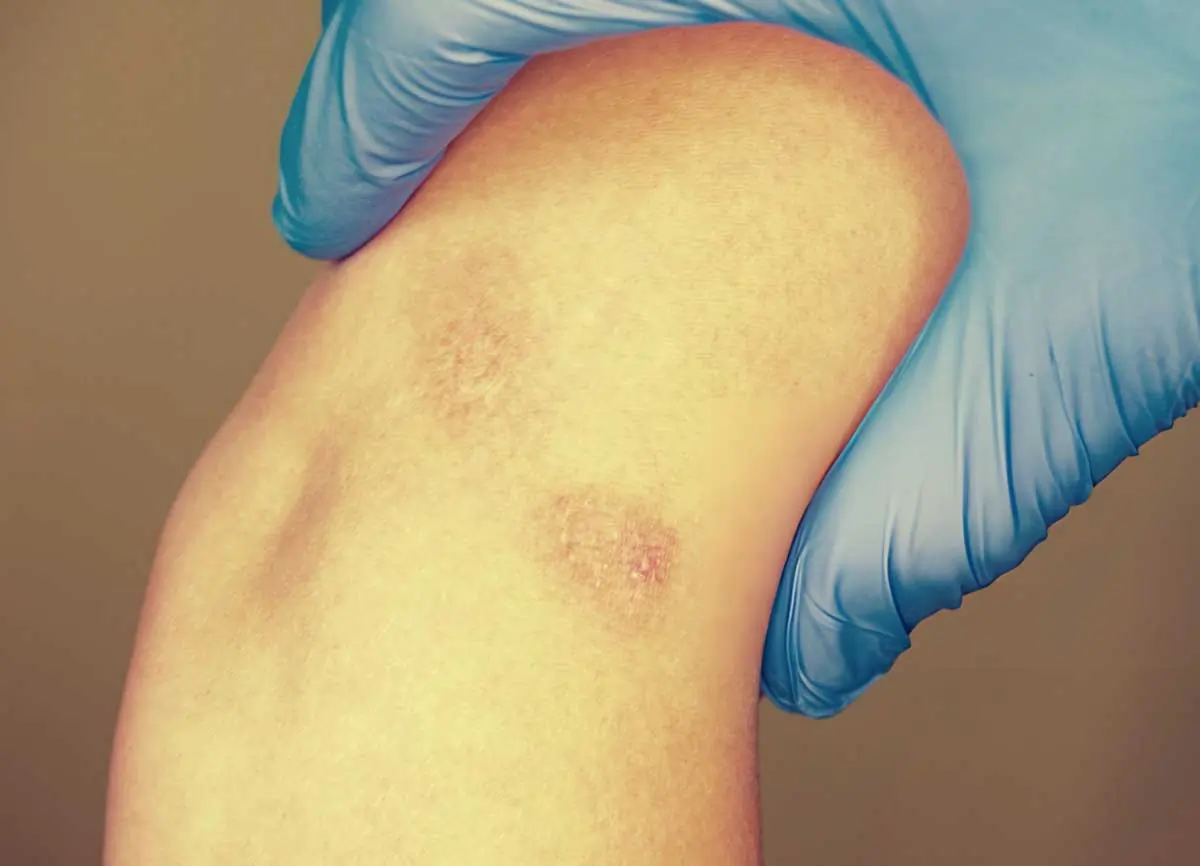
Lichen sclerosus is a not so common skin condition that commonly affects the skin of the genital and perianal regions. This condition can also develop on the skin of the torso, upper arms, breasts or any other parts of the body, although, very less commonly. It is a long-term skin condition characterized by the appearance of small whitish patches that are thinner than normal.

Lichen sclerosus cannot be spread through contact, i.e. not contagious. It is also not a sexually transmitted infection, and so, cannot be spread through sexual intercourse.

The actual causes of lichen sclerosus are rather still unknown as the understanding of the condition is incomplete. However, research is ongoing to accurately pinpoint the cause(s), and to find a lasting solution, as there is currently no cure for it. At the moment, doctors think it may be genetic, hormonal, due to infection or a combination of those things.

Another theory suggests that it may be an autoimmune disease. An auto-immune disorder occurs when your immune system labels your normal body tissues as foreign and begins to attack them, in defense.

Please fill out the form below to receive the guide

How Prevalent Is Lichen Sclerosus, and Who Is at Risk?

The disease is prevalent among women who are past menopausal age – between 40 and 60 years of age. The number of women with the condition is not statistically clear, but researchers think the number could be anywhere between 1 in 300 to 1 in 1000 women, in the United States. Women are six times more likely to develop the condition than men. Lichen sclerosus least affects children, but when it does, it is usually in girls who are yet to reach puberty.

The following factors may increase one’s risk of developing lichen sclerosus:

What Are the Symptoms of Lichen sclerosus?

Mild form of lichen sclerosus may present no symptoms at all. However, if there are any signs, they may include the following:

There are several complications that can arise due to lichen sclerosus, however, these complications are rare. Lichen sclerosus can cause cracking and bleeding of the skin in the affected region. When the affected area is the genital area, it can be especially sore and painful. Scarring can result in severe cases of this condition. The walls of the vagina may become tightened or shrunken due to scarring, making sexual intercourse very difficult and painful.

Lichen sclerosus predisposes women who have them in their genital area to developing some forms of skin cancer, especially women who have not managed their symptoms through treatment. However, this predisposition accounts for less than 5% of women with the condition.

Other complications may be urinary retention, constipation – especially in young girls with the condition, and an inability to retract the foreskin in males.

How Is Lichen sclerosus Diagnosed?

If you observe the symptoms of lichen sclerosus, then, you should visit a doctor as soon as possible, as early diagnosis paves way for prompt treatment, and consequently, better disease management. Doctors are often able to make a diagnosis by performing a physical examination of the affected areas. A thin sample of skin tissue from the affected area may also be collected.

for examination in a laboratory, under a microscope – a process called biopsy – to confirm that the condition is lichen sclerosus.  In certain cases, where lichen sclerosus may present no symptoms, a doctor may only be able to diagnose the condition during examination of the affected part for other unrelated reason.

In the course of getting a diagnosis and being treated for the condition, you may be asked to visit a dermatologist (a doctor who treats the skin), a gynecologist (a doctor who treats the female reproductive system), a urologist (a doctor who treats the urinary or urogenital tract), and primary health care providers.

What Are the Treatment Options Available?

As of now, lichen sclerosus has no cure. However, there are several ways of effectively managing the condition, and to provide relief from its symptoms. When lichen sclerosus affects other parts of the body apart from the genital and perianal areas, it can sometimes clear up spontaneously. Lichen sclerosus in the genital area may, however, be treated in any of the following ways:

Application of a corticosteroid cream or ointment: Steroids have proven effective in the treatment of lichen sclerosis. Steroids help to control inflammation, which in turn help to reduce itching, soreness and scarring, consequently preventing the condition from getting worse. In the beginning of this treatment, your doctor will ask you to use the cream twice daily. Then, after a few months, the period of application will be brought down to twice a week in order to prevent a recurrence. During this period, your doctor monitors the side effects attributed to prolonged use of topical steroids.

If corticosteroid cream or ointment fails to work, other treatment options like vitamin A-like drugs called retinoids, ultraviolet light therapy, or tacrolimus ointment may work. Tacrolimus ointment help your immune system label lichen sclerosus an invader so that the immune system can destroy it.

Surgery: Surgery is not usually performed to remove patches on the genital area of women, this is because the patches usually return after the surgery. However, surgery can be carried out if a woman has severe scarring in her vagina that has caused her problems with sex. In men, lichen sclerosus can be effectively treated with surgery to remove the foreskin of the penis – circumcision, with a very low chance of it returning.

Living with lichen sclerosus can be made more comfortable by observing the following measures:

Make an appointment with your health primary health care provider if you think you have the signs and symptoms of lichen sclerosus. You may be referred by your doctor to a dermatologist who specializes in the diagnosis and treatment of skin conditions. You can prepare yourself for the meeting by making a list of the following:

LEARN MORE ABOUT ONGOING CLINICAL STUDIES SPONSORED BY R3 STEM CELL HERE

Brand Ambassador Gallery

Register Now For Free Webinar: Avoid Surgery With Stem Cell Therapy

R3 Stem Cell Master Class

Learn everything you need to know about the ever expanding field of regenerative medicine in this 8 part series that includes over four hours of entertaining content!

R3 Stem Cell International

R3 Stem Cell International includes 45 clinics in 7 countries. These Centers of Excellence treat all types of conditions with safe, effective protocols by expert stem cell physicians.

Free Stem Cell Consultation

R3 Stem Cell offers a no cost consultation to see if you or a loved one is a candidate for regenerative cell therapies including cytokines, growth factors, exosomes, and stem cells.

Provider
Partnership

The R3 Partnership Program offers providers an all-in-one regenerative practice program including marketing, consultations and booked procedures!

Success Stories

*Outcomes will vary between individuals. No claims are being made with regenerative therapies. The FDA considers stem cell therapy experimental. See our THERAPY COMMITMENT HERE.

The USA Stem Cell Leader Offers Procedures In 8 Countries Including

Call to schedule your free consultation at over 70 centers world!

Disclaimer

Stem cell therapy is considered experimental and is regulated by the U.S. Food and Drug Administration (FDA), but it is not FDA-approved. R3 Stem Cell does not offer stem cell therapy as a cure for any medical condition. No statements made on this site have been evaluated or approved by the FDA. This site does not provide medical advice. All content is for informational purposes only and is not a substitute for professional medical consultation, diagnosis, or treatment. Reliance on any information provided by R3 Stem Cell, its employees, others appearing on this website at the invitation of R3 Stem Cell, or other visitors to the website is solely at your own risk. R3 Stem Cell does not recommend or endorse any specific tests, products, procedures, opinions, or other information that may be mentioned on this website. R3 Stem Cell is not responsible for the outcome of your procedure. The FDA considers stem cell therapy experimental at this point.


Copyright © 2017-2026 R3 Stem Cell. All Rights Reserved.