
Call to Schedule Free Consultation at Over 80 Centers Worldwide!

Blog

[elementor-template id="52769"]Ischemic heart disease and acute myocardial infarction (heart attack) remain leading causes of morbidity and mortality worldwide. When a blockage restricts blood supply to the myocardium, oxygen deprivation causes cardiomyocytes (heart muscle cells) to die, leaving behind non-contractile scar tissue. Because the human heart...


[elementor-template id="52769"]Amyotrophic lateral sclerosis (ALS) is a progressive disease that affects the nerve cells controlling voluntary muscle movement. As motor neurons die, patients gradually lose the ability to walk, speak, swallow, and eventually breathe. Because ALS currently has no cure and few effective drug treatments,...

[elementor-template id="52769"]Parkinson’s disease is a progressive neurodegenerative disorder marked by the gradual loss of dopaminergic neurons in the substantia nigra region of the brain. As dopamine levels drop, patients experience tremors, rigidity, bradykinesia (slowed movement), and postural instability. While standard pharmaceutical treatments (such as levodopa)...

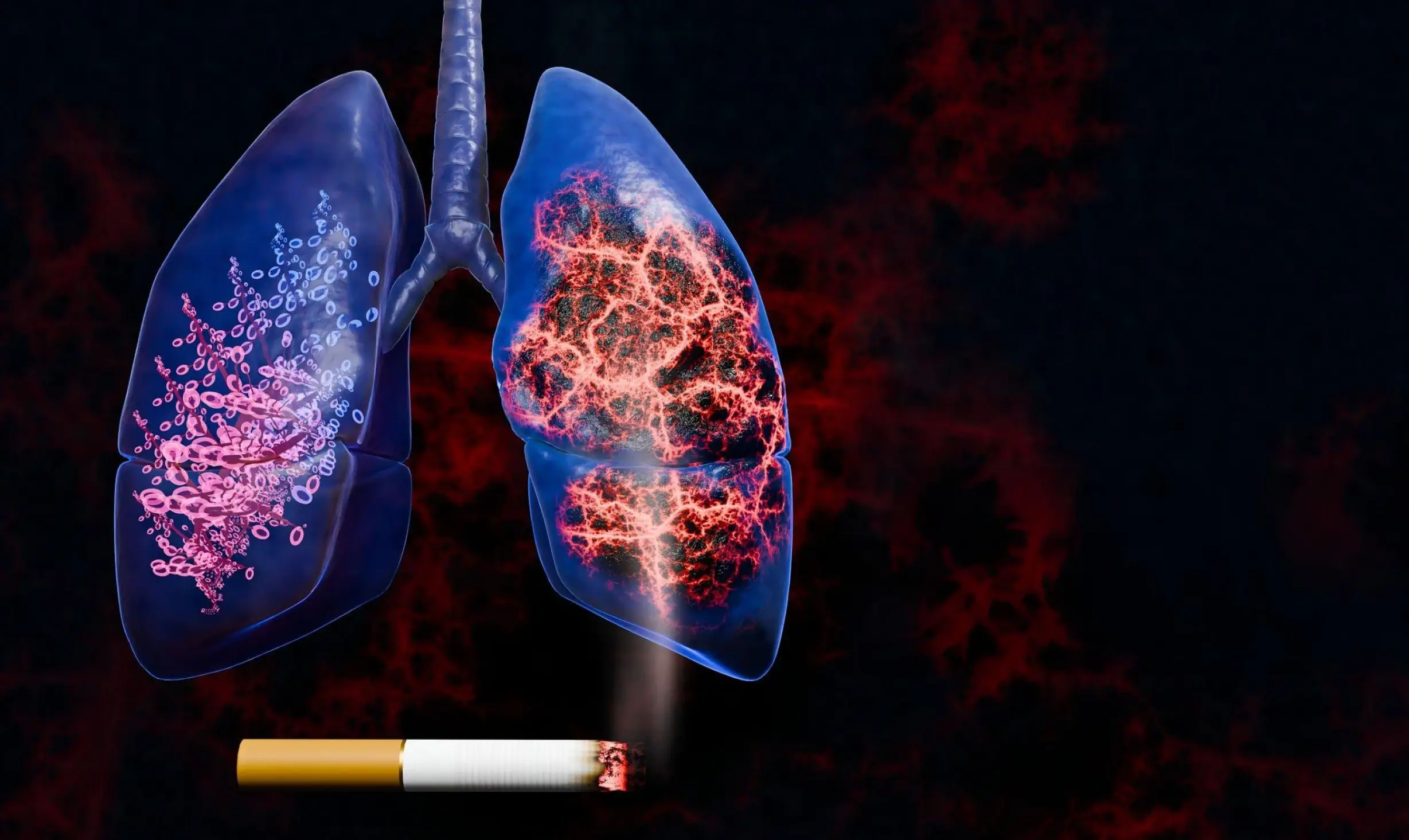
[elementor-template id="52769"]Chronic exposure to cigarette smoke remains the leading cause of progressive lung conditions such as Chronic Obstructive Pulmonary Disease (COPD), pulmonary emphysema, and lung tissue fibrosis. Smoke inhalation introduces thousands of toxic chemical compounds into the respiratory tract, triggering widespread oxidative stress, tissue degradation,...

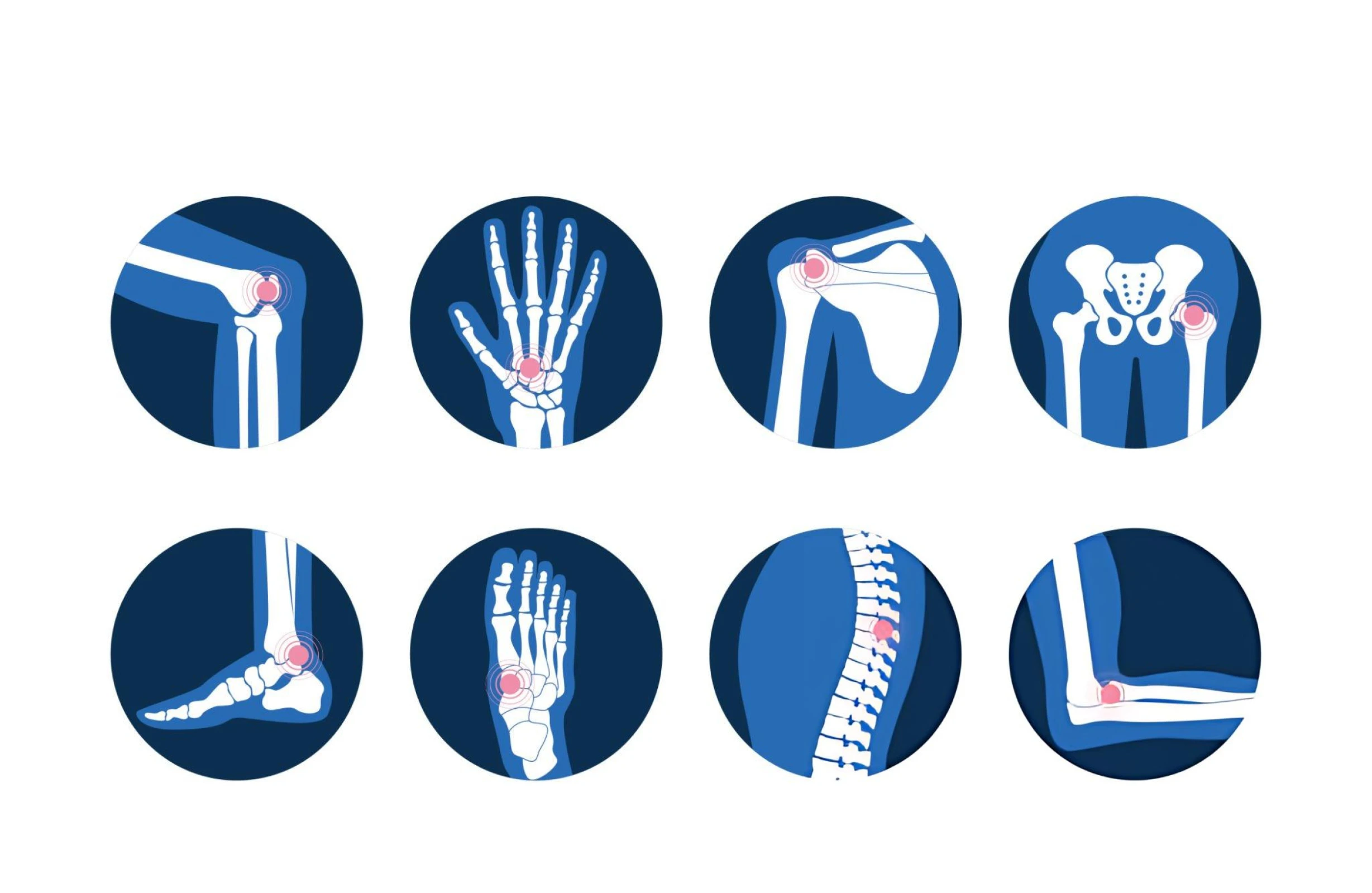
[elementor-template id="52769"]For professional athletes and active individuals, early-onset joint degeneration can feel like a career-ending diagnosis. When traditional medicine offers limited choices—such as invasive joint replacement or permanent nerve ablation—patients increasingly look toward regenerative procedures to restore function and manage pain without sacrificing their long-term...

[elementor-template id="52769"]For millions of patients navigating chronic joint pain, osteoarthritis, or soft tissue injuries, selecting the right injection therapy can be overwhelming. Traditional approaches—namely corticosteroid shots and hyaluronic acid injections—have long dominated orthopedic care. However, advancing clinical research highlights clear distinctions between temporary pain suppression...

[elementor-template id="52769"]Stem cell science has produced no shortage of breakthroughs, but few discoveries have generated as much genuine excitement as Muse cells. Short for "multilineage-differentiating stress-enduring" cells, Muse cells are a naturally occurring stem cell population found in adult human tissue — no embryos, no...

[elementor-template id="52769"]Biological aging is a progressive, systemic process driven by cellular degradation, chronic inflammation, and declining tissue repair capabilities. While standard lifestyle modifications—such as maintaining a low-inflammatory diet, managing stress, engaging in regular exercise, and optimizing sleep—remain essential foundations for health, they cannot fully halt...

[elementor-template id="52769"]Knee osteoarthritis remains one of the leading causes of chronic pain and physical disability globally. As conventional treatments like non-steroidal anti-inflammatory drugs (NSAIDs) and cortisone injections often provide only temporary symptom suppression, regenerative orthopedics has emerged as a promising alternative focused on tissue preservation...